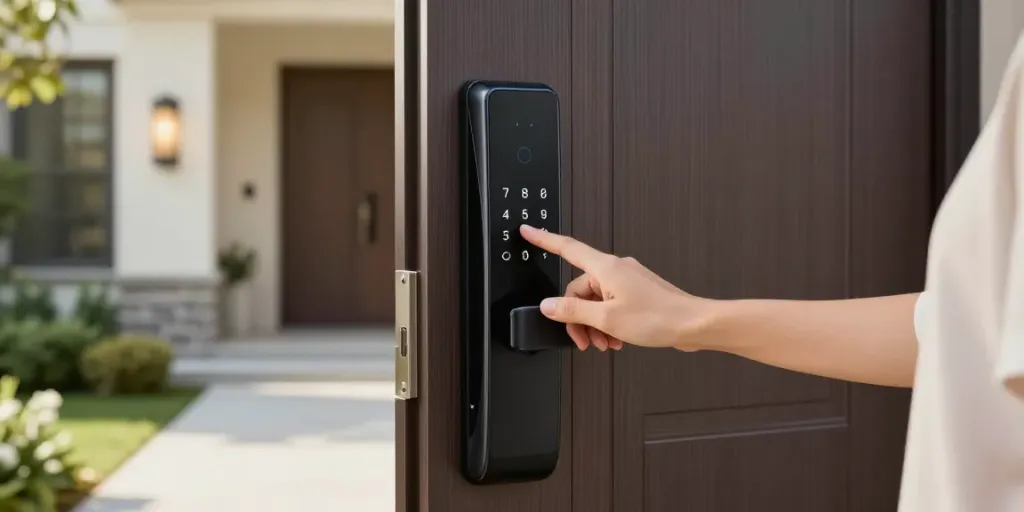
Understanding Smart Lock Technology
In today's fast-paced digital world, ensuring the security of our homes has become more complex and crucial. As traditional locking mechanisms evolve, the emergence of قفل هوشمند offers innovative solutions that integrate technology with security measures. This technology not only enhances safety but also provides convenience and ease of access. In this article, we will delve into how smart locks work, explore their various types, and highlight their benefits compared to traditional locks.
How Do Smart Locks Work?
Smart locks operate through various technologies such as Bluetooth, Wi-Fi, or Z-Wave, allowing users to control them remotely via smartphones or tablets. When a user attempts to unlock a smart lock, the lock communicates with the user's device, verifying its identity through a secure connection. This interaction can involve entering a code, scanning a biometric feature, or even using a dedicated app designed for managing access. The integration of smart locks into home security systems further enhances their functionality, enabling automated locking and unlocking based on user preferences.
Different Types of Smart Locks
Smart locks come in a variety of types, each catering to different security needs and lifestyles. Generally, these include:
- Keypad Locks: Users enter a numerical code to unlock the door.
- Biometric Locks: These locks use fingerprint or facial recognition technology for access.
- Smartphone-Controlled Locks: Allow users to unlock their doors through a mobile app.
- Remote Access Locks: Can be controlled over the internet, permitting access from anywhere in the world.
- Keyed Smart Locks: Combine traditional key access with digital control.
Benefits of Smart Locks Over Traditional Locks
Smart locks offer several advantages compared to their traditional counterparts, such as:
- Enhanced Security: Many smart locks use advanced security features like encryption and biometric scanning, making them harder to breach.
- Convenience: Users can unlock doors from their smartphones, eliminating the need for physical keys.
- Access Control: Homeowners can manage who has access to their property, and can set temporary access codes for guests.
- Audit Trails: Smart locks often provide logs of who entered and when, which can be crucial for security purposes.
- Integration: They can be integrated into broader smart home systems for enhanced functionality, such as syncing with alarm systems or cameras.
Choosing the Right Smart Lock for Your Home
Selecting a smart lock involves careful consideration of your unique security needs, budget, and compatibility with your existing home systems. The right choice can significantly enhance your home's security and convenience.
Considerations for Security and Features
When evaluating smart locks, assess what security features are essential for your lifestyle. Look for features such as:
- High-grade encryption for data security
- Biometric authentication for personalized access
- Built-in alarms that notify you of unauthorized access attempts
- Backup keys or alternative access methods in case of battery failure
Budgeting for Smart Lock Solutions
Smart locks vary significantly in price depending on their features and brand. Set a budget that reflects your security needs while considering potential long-term savings from preventing break-ins. Remember, investing in a higher-quality lock may save you money on security breaches and repairs in the long run.
Compatibility with Existing Home Systems
Ensure that the smart lock integrates seamlessly with your home automation systems. Many smart locks work with popular platforms like Amazon Alexa, Google Assistant, or Apple HomeKit, allowing you to control your lock via voice commands or integrate it with other smart devices.
Installation and Maintenance Tips
Proper installation and maintenance of smart locks are vital for optimal functionality and longevity. Here are some tips to consider.
Step-by-Step Guide to Installation
- Carefully read the manufacturer’s instructions before beginning the installation.
- Remove the existing lock from the door, if applicable.
- Install the new smart lock according to the manual, ensuring it fits securely.
- Connect the smart lock to your home’s Wi-Fi or Bluetooth as required.
- Download the relevant app and follow the setup process to finalize configuration.
Common Maintenance Practices
To ensure your smart lock remains in good working condition, follow these maintenance practices:
- Check and replace batteries regularly, as most smart locks rely on battery power.
- Keep the lock clean and lubricated, following the manufacturer’s recommendations.
- Update the lock’s firmware to benefit from new security features and improvements.
- Test the lock periodically to ensure it operates smoothly and efficiently.
Troubleshooting Common Issues
Many smart lock issues can be solved without professional help. Common problems include:
- Lock not responding: Check battery levels and ensure it’s within range of your Wi-Fi or Bluetooth network.
- App connectivity issues: Ensure the app is updated and your smartphone's operating system is compatible.
- Physical lock jams: Inspect for debris and ensure the lock is properly aligned with the door frame.
Smart Lock Security and Privacy Concerns
While smart locks offer advanced capabilities, they also raise security and privacy concerns that homeowners should address.
Assessing Potential Vulnerabilities
Smart locks can be susceptible to hacking if not properly secured. To mitigate these risks:
- Use strong, unique passwords for your lock’s app.
- Enable two-factor authentication if available.
- Regularly review access logs to detect unauthorized attempts.
Data Privacy with Smart Locks
Consider how your personal information is handled by the smart lock manufacturer. Research their data privacy policies to understand what data is collected and how it is used.
Ensuring Physical Security
In addition to the digital security of your smart lock, ensure that the physical installation is robust. Use high-quality hardware and reinforce doors where necessary to prevent physical tampering.
Future Trends in Smart Lock Technology
The smart lock industry is constantly evolving, driven by advancements in technology and changing consumer needs.
Innovations to Expect in 2026 and Beyond
As we move further into the 2020s, expect new developments such as:
- Improved AI integration for enhanced user experience and security analytics.
- Advanced biometric features, including retina scanning and palm recognition.
- Greater interoperability with a wider range of smart home devices and platforms.
Integrating Smart Locks with Smart Home Technology
The future of smart locks lies in their ability to function as part of a broader smart home ecosystem. Expect seamless integration with home security systems, lighting controls, and energy management systems.
Consumer Adoption and Market Growth
With increasing awareness of home security and the convenience offered by smart lock technologies, consumer adoption is likely to rise. This will further stimulate innovation and competition within the market.
Frequently Asked Questions
What is a Smart Lock?
A smart lock is an electronic lock that allows users to control and monitor access to a property via a smartphone app, keypad, or biometric feature.
Are Smart Locks Easy to Install?
Most smart locks come with user-friendly installation guidelines and can be installed by homeowners with minimal tools.
How Do Smart Locks Enhance Security?
They provide enhanced security through features like encryption, biometric access, and remote monitoring capabilities.
What Happens if the Batteries Die?
Most smart locks have a backup key option or alerts that notify users when battery levels are low, ensuring continued access to the property.
Can Smart Locks Be Hacked?
While no system is entirely hack-proof, smart locks with strong security protocols and regular updates can significantly reduce risks of unauthorized access.