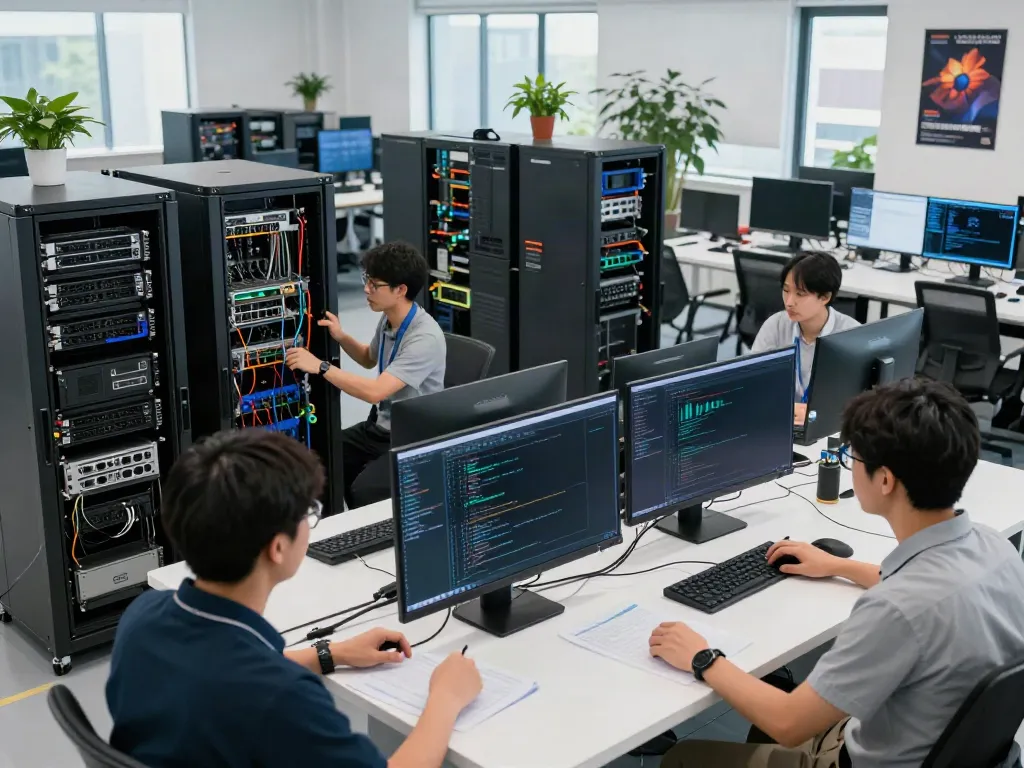
Understanding AI Infrastructure and Its Importance
The foundation of modern artificial intelligence (AI) relies heavily on robust AI infrastructure, which comprises the essential hardware and software that enable the creation, deployment, and management of AI systems. With the rapid evolution of AI technologies, understanding the significance of a well-formulated AI infrastructure has become crucial for businesses aiming to stay competitive in the market. This article explores the critical components, challenges, and future trends within AI infrastructure, providing insights into how organizations can improve their capabilities to leverage AI effectively. For an extensive overview of AI infrastructure and its impact, consider exploring resources such as AI infrastructure.
What is AI Infrastructure?
AI infrastructure encompasses the combination of physical resources, including hardware and software, that are necessary for efficiently developing and executing AI applications. This infrastructure may involve high-performance computing units like GPUs, extensive data storage solutions, or network systems that facilitate quick data transfers. The core goal of AI infrastructure is to create a conducive environment for the training and deployment of AI models, ensuring that the technological demands of machine learning and deep learning processes are met.
The Role of AI Infrastructure in Modern Technology
In today's technology landscape, AI infrastructure plays a pivotal role in various sectors, including healthcare, finance, and transportation. For instance, in healthcare, advanced AI models can predict patient outcomes and streamline medical processes, thanks to the powerful computing capabilities provided by well-designed AI infrastructure. Similarly, in finance, AI infrastructure allows for real-time risk assessments and fraud detection, transforming traditional practices into more data-driven approaches.
Key Components of Effective AI Infrastructure
- Computing Power: High-performance computing units, such as GPUs and TPUs, are essential for training complex models.
- Data Storage: Scalable storage solutions that can manage vast amounts of data are crucial for feeding AI algorithms.
- Networking: Fast and reliable networking capabilities facilitate seamless data transfer between components.
- Software Frameworks: Specialized AI and machine learning frameworks, such as TensorFlow and PyTorch, enable developers to build and deploy models efficiently.
Challenges in Implementing AI Infrastructure
While the potential of AI infrastructure is immense, several challenges can hinder its effective implementation. Organizations must navigate misconceptions, technical barriers, and cost implications to successfully deploy AI systems.
Common Misconceptions About AI Infrastructure
One prevalent misconception is that AI infrastructure is exclusively for large enterprises. However, advancements in cloud technologies have made it accessible for businesses of all sizes. Another misunderstanding is that adopting AI infrastructure is a one-time investment, whereas effective AI solutions require ongoing updates and scalability considerations.
Overcoming Technical Barriers in AI Setup
Building a robust AI infrastructure requires technical expertise that may be scarce within organizations. Companies often face challenges integrating various hardware and software components. Overcoming these barriers necessitates investing in training, hiring skilled personnel, or partnering with technology providers who specialize in AI solutions.
Addressing Cost Implications of AI Infrastructure
The costs associated with upgrading existing systems or investing in new AI infrastructure can be daunting. Organizations must conduct thorough cost-benefit analyses to justify such investments. Moreover, exploring options like cloud services can help manage costs by providing on-demand scalability without the need for large upfront capital expenditures.
Best Practices for Building AI Infrastructure
To effectively harness the power of AI, organizations need to follow best practices for developing their infrastructure. This involves making informed decisions regarding hardware, software, and scalability.
Choosing the Right Hardware for Your AI Needs
Selecting the appropriate hardware is critical for ensuring optimal performance. High-performance GPUs are often necessary for training large AI models, while efficient data storage solutions are essential for managing the extensive datasets involved in AI processes. Organizations should assess their specific needs before making purchases, as over- or under-investing can lead to wasted resources.
Software Solutions to Enhance AI Performance
Utilizing advanced software frameworks tailored for AI can significantly enhance performance. These frameworks provide libraries for quick deployment and minimize the development time for AI models. Frameworks such as TensorFlow and PyTorch offer extensive community support and resources, simplifying the process for developers.
Scalability Considerations in AI Infrastructure
Organizations must ensure that their infrastructure can scale to accommodate future growth. As AI models evolve and more data becomes available, an inflexible infrastructure can become a bottleneck. Leveraging cloud technologies allows for scalability without the burden of maintaining physical hardware, enabling organizations to respond quickly to changing demands.
Real-World Applications of AI Infrastructure
Numerous industries have successfully implemented AI infrastructure, yielding measurable outcomes that demonstrate the transformative potential of AI technologies.
Case Studies of Successful AI Implementations
For example, in the automotive industry, companies like Tesla utilize AI infrastructure to power their autonomous driving systems, relying on vast amounts of data processed through advanced algorithms. This infrastructure enables real-time decision-making essential for vehicle safety and functionality.
Measurable Outcomes from Effective AI Strategies
In financial services, organizations employing AI infrastructure for risk assessment have reported significant reductions in fraud instances. By quickly analyzing vast datasets, AI systems can flag unusual activities, leading to a timely intervention. This not only protects consumers but also saves businesses from potential losses.
Innovative Use Cases for AI Infrastructure Across Industries
In agriculture, AI infrastructure has enabled the development of precision farming techniques, allowing farmers to analyze soil conditions and monitor crop health using drone technology. This leads to optimized yields and resource management, demonstrating the diverse applications of AI infrastructure in various sectors.
Future Trends in AI Infrastructure for 2026 and Beyond
As we look toward the future, several trends are shaping the landscape of AI infrastructure. Companies must stay informed to remain competitive in the evolving market.
Emerging Technologies Shaping AI Infrastructure
Emerging technologies such as quantum computing are poised to revolutionize AI infrastructure by dramatically increasing processing capabilities. Organizations that incorporate such advancements early into their infrastructure will gain a competitive edge.
The Growing Importance of Sustainability in AI
With increasing focus on sustainability, organizations must consider the environmental impact of their AI infrastructure. Implementing energy-efficient solutions can reduce carbon footprints while ensuring high-performance outputs, aligning business objectives with global sustainability goals.
Expert Insights on AI Infrastructure Developments
Staying abreast of the latest trends and technologies in AI infrastructure will be essential for organizations aspiring to lead in their respective fields. Continuous education and adaptation to emerging standards will determine success in leveraging AI capabilities optimally.
What are the key components of AI infrastructure?
The key components of AI infrastructure include high-performance computing resources, scalable data management systems, and robust networking capabilities. Together, these elements create a flexible environment that supports the extensive demands of AI workloads.
How can businesses improve their AI infrastructure?
Businesses can improve their AI infrastructure by investing in the right hardware, adopting advanced software solutions, and ensuring scalability for future growth. Collaborating with specialized technology partners can also enhance infrastructure capabilities.
What challenges do companies face with AI infrastructure?
Challenges companies face with AI infrastructure include technical integration issues, cost management, and the misconception that such infrastructure is only suited for large enterprises. Addressing these challenges requires strategic planning and investment in expertise.
How does AI infrastructure support business scalability?
AI infrastructure supports business scalability by providing flexible resources that adapt to changing demands. Cloud-based solutions and scalable hardware allow organizations to expand their AI capabilities without significant upfront investments.
What future trends should we expect in AI infrastructure?
Future trends in AI infrastructure will likely revolve around advancements in quantum computing, increased emphasis on sustainability, and the growing integration of AI with other technologies like IoT and blockchain.