Understanding the Role of Packaging Machinery Suppliers
In the ever-evolving landscape of manufacturing, the role of a packaging machinery supplier is pivotal. These suppliers are not just vendors; they are partners in ensuring that businesses can efficiently package their products while adhering to industry standards. From food and beverage to pharmaceuticals and consumer goods, the right machinery can significantly impact not only a company's bottom line but also its operational efficiency. Choosing a reliable supplier involves understanding their offerings, capabilities, and how they align with your unique packaging needs.
What is a Packaging Machinery Supplier?
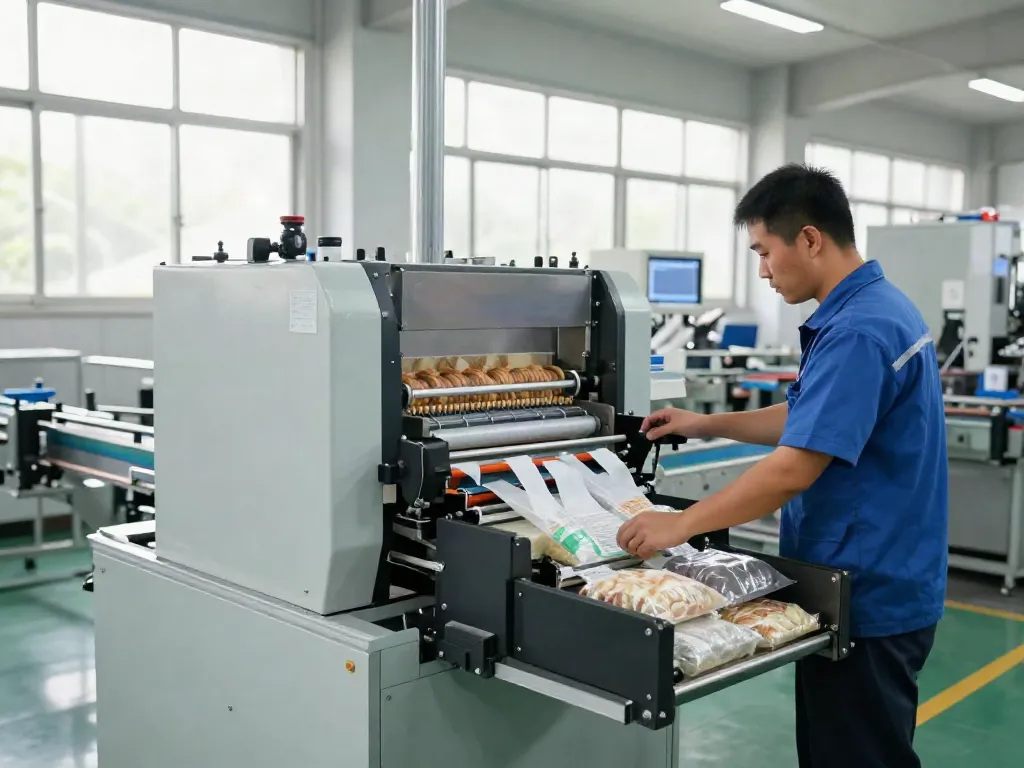
A packaging machinery supplier is a manufacturer or distributor that provides equipment designed for packaging products. This can include a wide range of machinery, such as filling machines, sealing machines, labeling systems, and entire packaging lines. These suppliers cater to various industries, including food and beverage, pharmaceuticals, cosmetics, and consumer goods. Their goal is to provide machinery that enhances the packaging process, ensuring that products maintain quality and integrity during storage and distribution.
Key Benefits of Working with a Reliable Supplier
- Expertise and Support: A trustworthy supplier brings technical expertise, helping businesses select the right machinery for their specific needs.
- Customization Opportunities: Many suppliers, like Durzerd, offer customized solutions tailored to various production capacities and product types.
- Cost Efficiency: By optimizing packaging processes, reliable suppliers contribute to reducing operational costs and increasing productivity.
- Maintenance and Training: Quality suppliers often provide ongoing maintenance support and training, ensuring that your team can effectively operate the machines.
Common Challenges Faced by Manufacturers
Despite the many benefits, manufacturers frequently encounter challenges when it comes to packaging machinery. These can include issues related to machinery downtime, complexity in the operation of advanced systems, and difficulty in sourcing reliable spare parts. Additionally, adapting to regulatory changes in packaging materials and methods can pose a significant hurdle for businesses. Understanding these challenges is essential for selecting a supplier that can provide effective solutions.
Evaluating Your Packaging Needs
Before selecting a packaging machinery supplier, it's crucial to assess your specific requirements. Evaluating your packaging needs involves understanding your production capacity, the type of products being packaged, and any customization options you may require.
Assessing Production Capacity and Product Type
Understanding your production capacity is fundamental. Identify the volume of products you need to package daily and the speed at which you need to operate. For example, a manufacturer producing food items may require high-speed packaging machines that are capable of handling varying product sizes and types. By clearly defining production goals, companies can better communicate their needs to potential suppliers.
Identifying Customization Options Available
Each product has unique packaging requirements. Explore suppliers that offer customization options, allowing you to tailor machines to meet specific needs, such as bag sizes, materials, and seal types. Customized solutions not only enhance efficiency but also improve the overall packaging quality, catering to your company's brand and product integrity.
Understanding Regulatory and Compliance Requirements
Regulatory standards in packaging can vary widely by industry. It's essential to ensure that the machinery meets all necessary compliance factors. This includes food safety regulations for food and beverage packaging or environmental regulations for sustainable materials. Consulting with your packaging machinery supplier about these requirements can prevent costly fines and ensure smooth operations.
Top Features to Look for in Packaging Machinery
When investing in new packaging machinery, certain features can make or break the success of your packaging operations. Understanding these features is crucial for making an informed decision.
Efficiency and Speed: Why They Matter
Efficiency and speed are critical in packaging operations. High-speed machinery can significantly decrease production times, leading to increased throughput. However, consider not only speed but also the machine's ability to operate consistently without frequent breakdowns. A balance between speed and reliability ensures sustained productivity.
Technology Integration for Smart Packaging Solutions
Modern packaging machines increasingly incorporate advanced technologies, such as automation and smart sensors. These features allow for real-time monitoring and adjustments, leading to better quality control and less waste. For manufacturers looking to embrace Industry 4.0, investing in technology-integrated machinery can provide a competitive edge.
Maintenance and Support Services Offered
Packaging machinery requires regular maintenance to operate efficiently. It's essential to choose a supplier that offers comprehensive support, including training for your staff, service agreements, and readily available spare parts. This ensures minimal downtime and enhances the long-term performance of your systems.
Finding the Right Packaging Machinery Supplier
Choosing the right supplier is as important as selecting the right machinery. Key strategies can guide you in finding the most suitable vendor for your needs.
Strategies for Researching Potential Suppliers
Begin your search by identifying potential suppliers in the market. Research their reputation, product offerings, and customer reviews. Online platforms, trade shows, and industry publications can provide valuable insights into the strengths and weaknesses of suppliers within the packaging industry.
Evaluating Supplier Reputation and Experience
Look for suppliers with a proven track record in the industry. Companies that have been operational for several years, like Durzerd, often have extensive knowledge and experience in handling diverse packaging needs. Client testimonials and case studies can provide a clearer picture of what you can expect from a potential supplier.
Conducting On-site Visits and Demonstrations
Whenever possible, arrange on-site visits and equipment demonstrations. This hands-on approach allows you to see the machinery in action and understand its capabilities better. Additionally, engaging with the supplier's team during a demonstration can help you assess their professionalism and expertise.
Future Trends in Packaging Machinery for 2026
The packaging machinery industry is continually evolving. Keeping an eye on emerging trends can help businesses stay ahead of competition and meet changing consumer demands.
Emerging Technologies Shaping the Industry
Technological advancements, such as artificial intelligence, robotics, and the Internet of Things (IoT), are shaping the future of packaging machinery. These technologies can enhance efficiency, predictive maintenance, and provide valuable data for optimizing operations.
Sustainability Practices in Packaging Solutions
As sustainability becomes a central concern for consumers and businesses alike, the demand for eco-friendly packaging solutions is rising. Suppliers are increasingly focusing on machinery that supports sustainable practices, such as biodegradable materials and reduced energy consumption.
Adaptability and Resilience in Supply Chains
The recent global disruptions have highlighted the need for resilient supply chains. Packaging machinery suppliers are adapting to these changes by offering flexible systems that can accommodate various packaging formats and sizes, ensuring that manufacturers can respond quickly to market fluctuations.
What Questions Should You Ask When Choosing a Supplier?
When evaluating potential suppliers, consider asking:
- What types of packaging machinery do you specialize in?
- Can you provide references from similar industries?
- What kind of training and support do you offer post-purchase?
- How do you handle spare parts availability and service requests?
How Do You Measure the Success of Your Packaging Operations?
To gauge the effectiveness of your packaging operations, consider metrics such as production uptime, operational costs, and waste levels. Analyzing these figures will help you determine areas for improvement and assess your supplier's impact on your operations.
What Are the Costs Associated with Packaging Machinery?
Investing in packaging machinery involves various costs, including initial purchase price, installation fees, maintenance costs, and operational expenses. Understanding the total cost of ownership is crucial for budgeting and making informed decisions about equipment investments.